
Boost

Speed
Efficiency
Product Movement
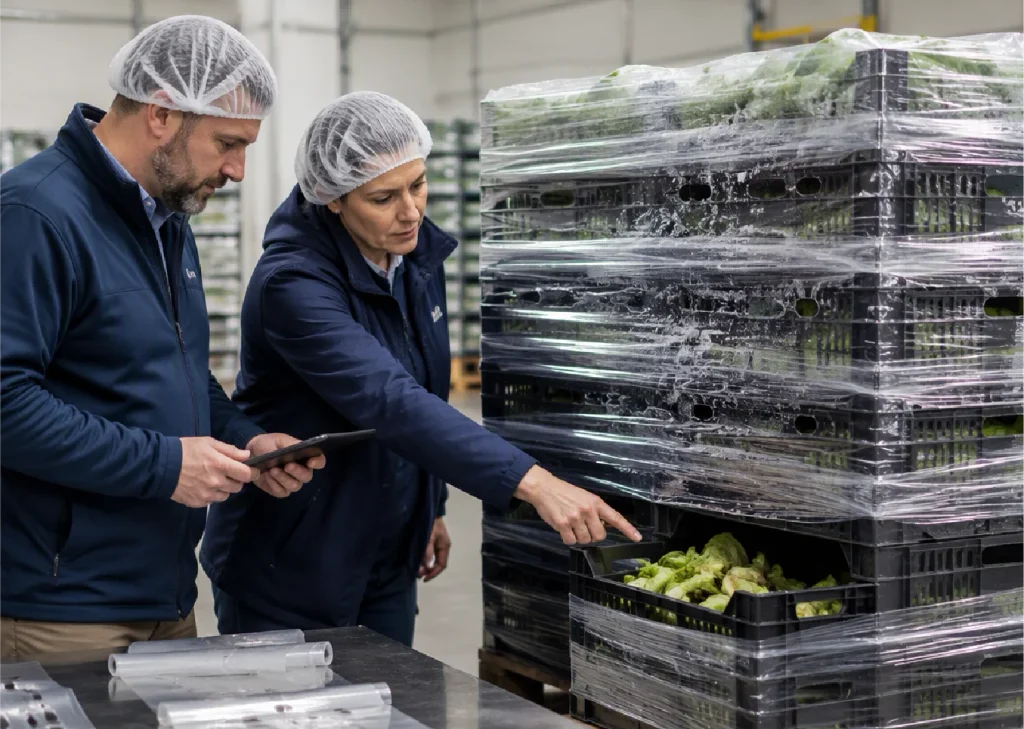
AirFlow™ vented stretch film builds ventilation directly into the pallet wrap, helping products cool, stabilize and move through your operation with fewer packaging-related delays and manual workarounds.
Boost Warehouse Efficiency
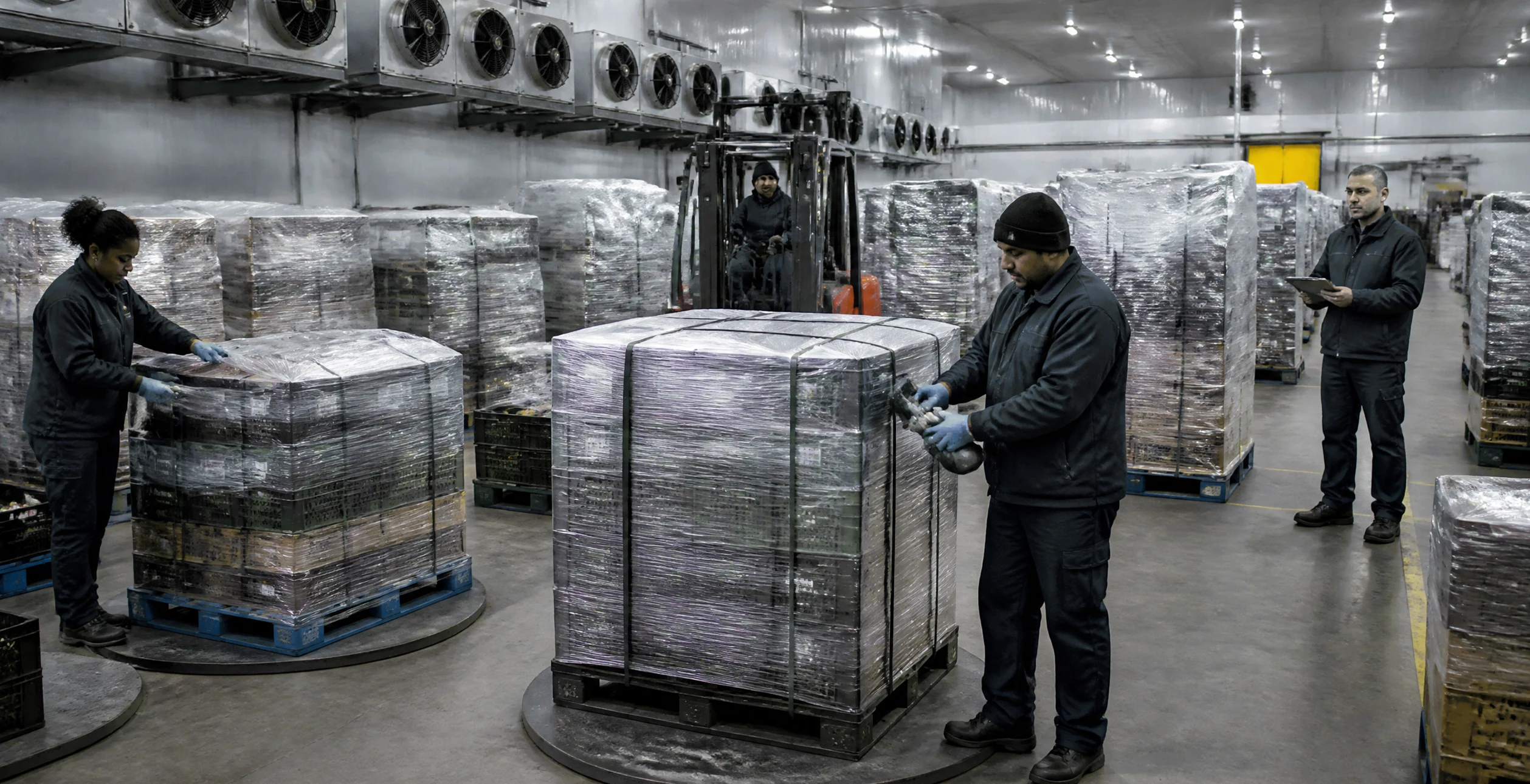
The Problem
Is Packaging Slowing Your Operations?
For products that need ventilation, traditional stretch film that traps heat, moisture or gases can hold products longer in cooling, processing and staging areas.
Some teams may cut or puncture traditional pallet wrap, add banding, netting or corner boards, or repeatedly move and rewrap pallets to try to compensate. These workarounds take time, create inconsistencies and add unnecessary steps.
The result can be slower throughput, crowded staging areas and more operator frustration and time spent managing packaging instead of moving products.
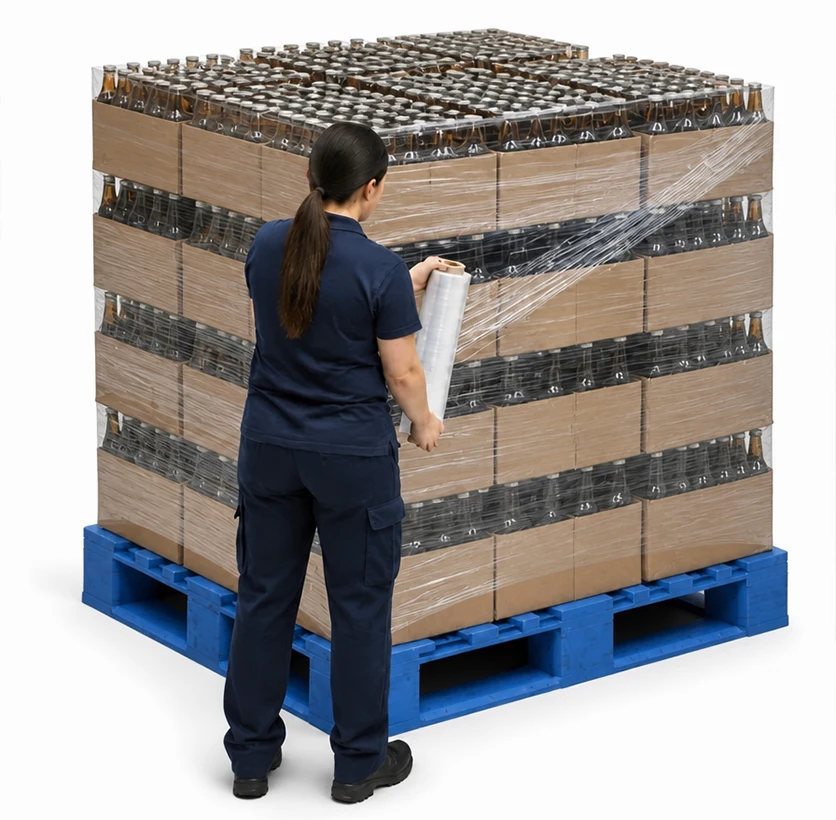
Is Restricted Airflow Slowing You Down?
Your Packaging May Be Creating Extra Work
Boost Warehouse Efficiency
What are Packaging Ventilation Workarounds Really Costing You?
Standard stretch film may appear less expensive when comparing price per roll. But if your products need ventilation, the true cost of packaging includes the extra labour, handling, waste, reduced throughput, delays and product losses it creates throughout your operation.
If your team is working around the limitations of solid stretch film, packaging may be costing your operation more than the price shown on the roll.

It’s Time to Rethink Your Packaging Costs
Boost Warehouse Efficiency
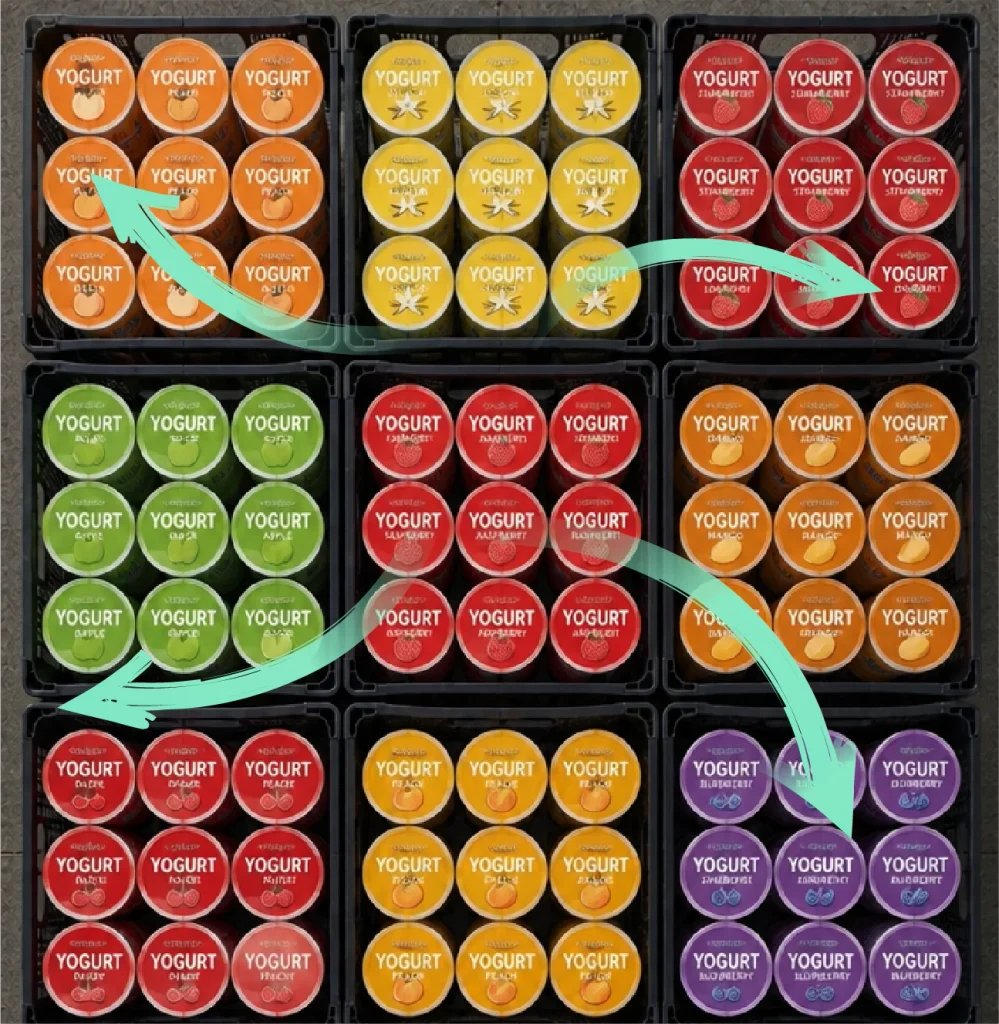
Spend Less Time Working Around Your Pallet Wrap
AirFlow’s engineered design creates ventilation across the wrapped load while providing the containment needed for handling, storage and transportation.
With ventilation built into the stretch film, operators can spend less time cutting, puncturing, banding and rebuilding loads. This means fewer packaging steps, more consistent results and greater productivity.

- Reduce manual packaging modifications
- Support faster cooling and product stabilization
- Release trapped heat, moisture and gases
- Reduce additional packaging materials
- Improve consistency between wrapped loads
- Maintain better load containment than improvised methods
- Free up cooling, processing and staging space sooner
- Keep products moving toward storage or shipmen

Stop Creating Airflow by Hand
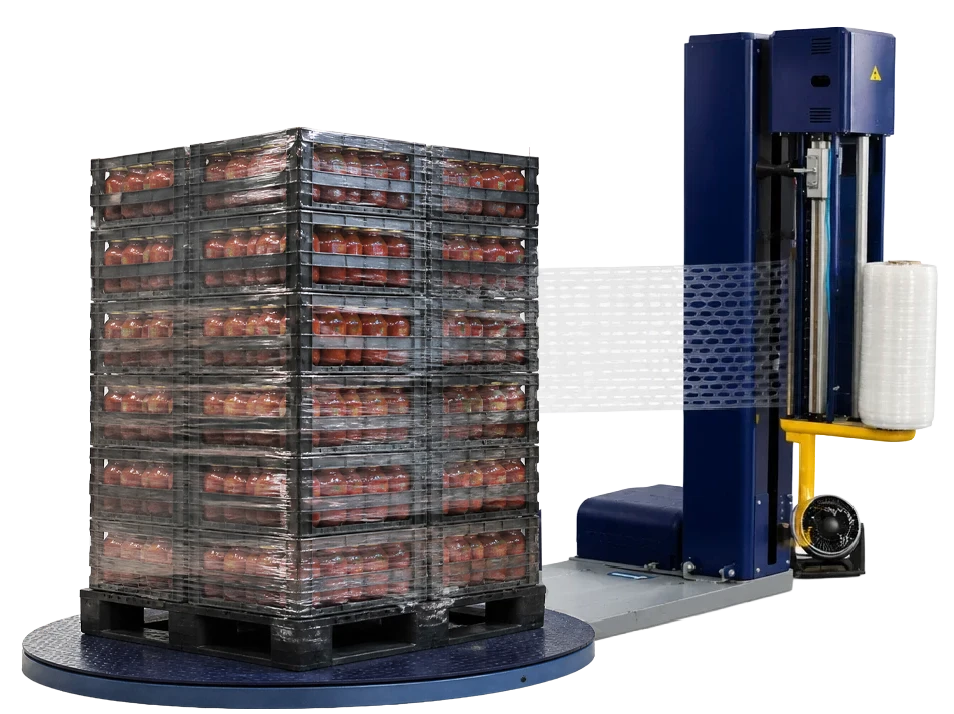
Traditional Stretch Film vs. Vented Stretch Film
Choose

Vented load containment
Heat and moisture release
Cooling and off-gassing
Reduced condensation and spoilage risk

Enclosed load coverage
Ambient and dry-good storage
Protection from dust and handling
General warehouse applications
What Could Better Ventilation Save You?
Tell us where spoilage, moisture or rejected loads are showing up in your operation. An AirFlow expert can assess your product, current pallet-wrapping process and transportation requirements to help identify the right AirFlow vented stretch film.
FAQs
AirFlow vented stretch film allows air to circulate through a wrapped pallet so that trapped heat, moisture and condensation can escape. This reduces environmental conditions that may contribute to mold, spoilage and product degradation and helps boost warehouse efficiency.
AirFlow vented stretch film is especially useful for products that need to cool, breathe, release moisture or off-gas after wrapping. Applications include fresh produce, dairy products, beverages, hot-filled foods, frozen foods, flowers, plants and other temperature- or moisture-sensitive products. Explore AirFlow by Industry.
AirFlow’s perforated design allows moisture and heat to escape instead of remaining trapped by solid stretch film. The amount of condensation reduction will depend on factors such as product temperature, humidity, cold-chain conditions and pallet configuration.
Yes. AirFlow vented stretch film combines strong film bands and reinforced holes designed to provide a superior holding force compared to traditional standard stretch films. The right film and wrapping configuration will depend on the load’s weight, shape, stability and transportation requirements. In most cases load containment can be 2X to 3X the amount of load containment vs.standard stretch film.
It may help when loads are being rejected because of retained heat, excess moisture, condensation, mold or inadequate cooling. An AirFlow expert can perform a packaging analysis to help determine whether pallet wrap is contributing to the problem.
The right AirFlow product depends on the type of product, pallet weight, wrapping equipment, storage conditions and transportation environment. An AirFlow packaging expert can match the film and application method to your loads.
FAQs
Vented stretch film allows heat, moisture, air and gases to move through a wrapped pallet. For products that need ventilation, this can support faster cooling and stabilization, reduce dwell time and help loads move through processing, staging and shipping areas sooner.
AirFlow™ vented stretch film has ventilation built directly into the wrap. This can reduce the need for operators to cut or puncture film or add materials such as banding, netting and corner boards to create openings for air circulation.
If trapped heat, moisture or gases are keeping products in cooling, processing or staging areas longer, improved ventilation may help products stabilize sooner.
Solid stretch film is generally suited to loads that need enclosed coverage and protection from dust, weather or handling. Vented stretch film is better suited to products that need cooling, off-gassing, heat release, moisture escape or air circulation after wrapping.
Yes. AirFlow vented stretch film combines reinforced perforations with strong film bands designed to provide ventilation while maintaining the containment needed for handling, storage and transportation. The right film and wrapping configuration will depend on the load’s weight, shape, stability and transportation requirements.
Vented pallet wrap can benefit products that retain heat, release moisture or gases, or require cooling after wrapping. Applications include fresh produce, flowers and plants, dairy products, eggs, hot-filled products, frozen foods and some pharmaceutical or sterilization processes.
If ventilation-related delays are causing pallets to occupy cooling, processing or staging areas longer, AirFlow may help release that space sooner. This can support greater throughput within the operation’s existing footprint.
The right solution depends on your wrapping equipment, load configuration, film requirements and operating environment. An AirFlow expert can review your current process and recommend the right film and wrapping pattern.
An AirFlow expert reviews your products, pallet loads, ventilation needs, current film and wrapping process. The goal is to identify packaging-related delays or workarounds and determine whether vented stretch film could improve efficiency, consistency or product movement.